
Land reclamation is now an important means of controlling the influence of man on the environment with respect to industrial, agricultural and urban development. Good reclamation turns what was once disturbed or otherwise degraded land back into usable, sustainable landscape, while saving ecosystems and fueling additional development. Land reclamation in Alberta is a key process of mitigating the environmental profile for land uses such as mining, oil/gas drilling, and large-scale construction projects.
A good land restoration plan starts with a site survey. With knowledge of soil condition, water movement and stands of plants and wild-animal habitats, specialists can develop customized plans. By implementing land reclamation best practices in Alberta, companies can restore so-called unsightly industrial lands to be useful as productive agricultural properties, natural habitats or safe recreational spaces. They also serve to see that the environmental conditions are being met so as not to run into legal or environmental problems down the road with provincial/federal levels of government.
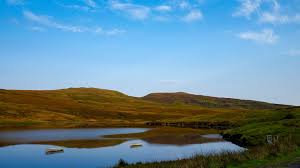
Salvage recovery” is also concerned with subsoil restoration. Soil may be treated by crushing and washing to remove contaminants prior to the use of the land. Impacted soil frequently becomes infertile and structurally unfit for vegetation. Remediation technologies, including topsoil replacement, nutrient supplementation and erosion prevention, can be used to restore soil health while preventing further destruction. And not only that, by choosing to plant native species, gardeners can help protect local biodiversity, promote the pollinator population and stifle the growth of invasive plants. Designed creatively, such a range of tactics can make today’s reclamations ecologically robust enough that they are able to provide for both humans and wildlife in the future.
Water control is another important consideration in effective reclamation. Reshaping topography, designing wetlands, and putting in appropriate drainage systems prevent flooding and erosion, as well as keep water clean. Water bodies and wetlands developed as a result of reclamation also serve as habitats for fish, amphibians and birds – all contributing to the ecological health of the area. Implementing these methods helps land owners and project managers of the reclaimed site, as well as neighbouring ecological systems, against any environmental risk.
Long-term surveillance and maintenance are necessary for ensuring the benefits of reclamation. Even after their initial interventions, ongoing monitoring ensures plant development is supported correctly, soil is kept rich, and any new concerns – such as invasive species or soil erosion – are dealt with quickly. Alberta reclamation companies typically run yearly probes over many years; this data can be used to inform future development and environmental compliance.
Successful land reclamation in Alberta is more than just returning the land to its original appearance, but involves a rigorous, science-based reclamation process that addresses soil recovery, plant growth and water restoration as well as long-term ecological monitoring. Favouring environmental health, sustainability and compliance, reclamation programmes support ecosystem protection, community welfare and economic resilience. Businesses that adopt these measures are proving themselves committed to responsible and sustainable operations on the land, which is good for people as well as good for nature.
Paul Thomas is the author of this article :- For more details about Expert Soil Hauling for Contaminated Sites please visit our website :- whiterocktrucking.ca